
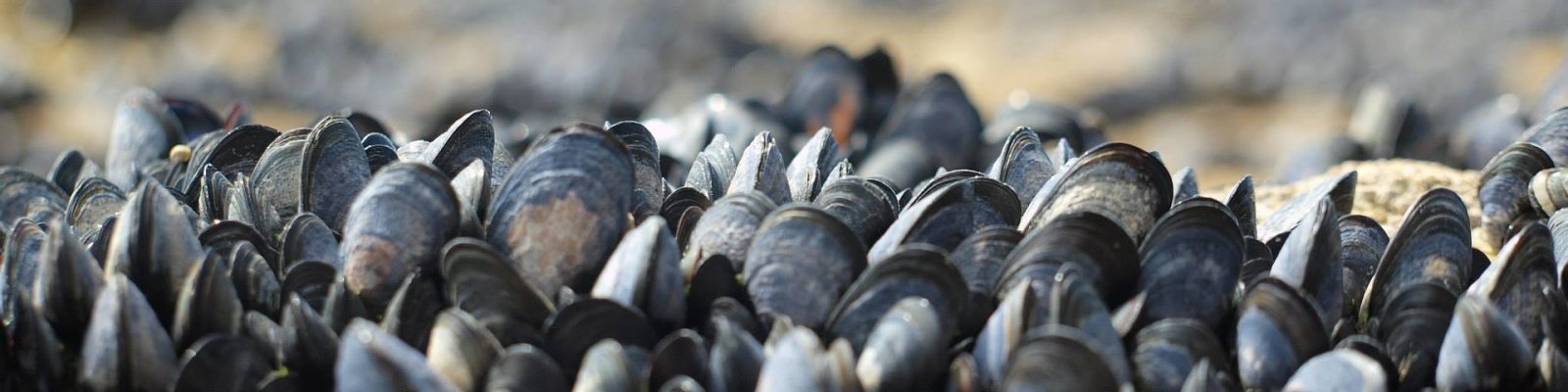
Along Canada’s coasts and across its farmlands, climate change is reshaping more than landscapes and weather patterns. It is also changing something far less visible: the safety of our food. Warmer temperatures, shifting rainfall patterns, and more frequent extreme weather events are creating conditions where harmful bacteria, viruses, and toxins can thrive. These changes are increasing opportunities for foodborne diseases to enter the food system, from farms and fields to lakes, rivers, and coastal waters. [1]
Foodborne illness has always existed in Canada. What is changing is the environment that supports it. Lorraine McIntyre, a food safety and environmental health specialist with the BC Centre for Disease Control, explains that her work increasingly sits at the intersection of climate and health, “a lot of these problems have been there for a long time, but the pressures of climate are making things more difficult.”
What are foodborne diseases?
Foodborne diseases are illnesses caused by consuming contaminated food. Contamination occurs when food is exposed to harmful microorganisms such as bacteria, viruses, or parasites, or to toxins produced by organisms like algae or fungi. [2] Common examples include:
- Salmonella
- E. coli
- Norovirus
- Vibrio species
- Marine biotoxins from harmful algal blooms
- Mycotoxins in crops such as grains and corn
Symptoms range from mild gastrointestinal illness to severe neurological or life-threatening complications. [2] [3] Many cases go unreported, making the true burden difficult to measure. Contamination can occur anywhere along the food chain: On farms in soil or water, during processing and transport, in retail and restaurants, or even in our own home kitchens.
WATCH: Sentinels of the Sea: Bio-toxins and the Changing Coast
This video dives into the impact of climate change on ocean health, shellfish harvesting safety, and the health of people who consume shellfish. Ken Thomas recounts his experience contracting Norovirus after eating undercooked shellfish from a trusted local shellfish farm. His experience highlights the vulnerability of shellfish to climate-related risks like extreme rainfall and heat-domes, even from well-managed farms, and emphasizes the importance of local knowledge in addressing these emerging challenges. Lorraine McIntyre, a food safety specialist at the BC Centre for Disease Control, provides insights into how climate-driven factors, such as rising water temperatures and surface runoff, are increasing the risk of foodborne illnesses in shellfish. Bryant Deroy, a Science Officer with Parks Canada, works along the coast with communities, improving access to safe harvest sites.
Climate pathways affecting food safety
Climate change influences foodborne disease through multiple connected pathways.
Warmer temperatures
Rising temperatures can allow some pathogens to grow faster and survive longer in both land and marine environments. In coastal waters, certain bacteria such as Vibrio are known to multiply more rapidly in warmer conditions.
Monitoring programs in British Columbia have identified a temperature threshold associated with increased illness risk. As McIntyre explains, “We know that as soon as we have a mean sea surface temperature of 15.3°C, within about a couple of weeks, we’ll start seeing Vibrio illnesses, and that is one environmental factor we have been monitoring for many years now.” At the same time, long-term trends are still being studied. While warming conditions are a concern, McIntryre says that researchers have not yet established consistent patterns in how quickly these thresholds are being reached year to year. Research is still new and emerging on this topic; In Quebec, one study in the Estuary and Gulf of St. Lawrence found that risk of Vibro illnesses under a changing climate significantly spread into new areas where Vibrio had previously not been a concern.[4]
Extreme weather and contamination pathways
Heavy rainfall and flooding can wash contaminants from land into waterways, including agricultural runoff, sewage overflows, and wildlife waste. Periods of drought followed by intense rainfall can be especially risky. Material that builds up on land can be rapidly flushed into rivers and coastal waters, increasing contamination risks for crops, drinking water sources, and shellfish beds. As McIntyre notes, these pressures are not entirely new, but climate change is intensifying them: environmental conditions are becoming more variable, with “very wet, very fast, and then very hot” periods affecting both ecosystems and contamination patterns.
Coastal food systems: safe shellfish harvesting in changing oceans
Canada has the longest coastline in the world, stretching over 240,000 kilometres. For many communities, seafood is not just an economic resource but a cultural and nutritional foundation. Shellfish are particularly important in many Indigenous communities, where harvesting is a nutritional food source and a cultural practice. Indigenous communities are estimated to consume up to 15 times more shellfish than the national average, which can increase exposure risks when contamination occurs. [5]
Shellfish are especially vulnerable to environmental change. As filter feeders, they concentrate microorganisms and toxins from surrounding water. One major concern is marine biotoxins produced during harmful algal blooms. McIntyre advises, “these toxins are tasteless, odorless, colorless and the most important thing is you can't cook them away. So it's not just eating raw shellfish, it's eating cooked shellfish.”
While system-level change is essential, individual practices are also important. Some recommendations on reducing foodborne disease when consuming shellfish include:
- Checking shellfish harvest closures maps and advisories
- Keeping shellfish cold during transport
- Cooking seafood thoroughly
- Avoiding harvesting after a heavy rainfall
“Make sure the shellfish harvesting area is open, so check the map. But also, if you eat shellfish, maybe eat a little bit of it first. And if you have any of those sensations, stop eating it right away,” McIntyre advises.
McIntyre also emphasizes that food safety in commercial systems is generally strong, due to monitoring programs. However, risks are higher in areas that are not routinely tested. Advocacy for more monitoring is important to increase access and equity to shellfish resources.
The connection between waterborne and foodborne disease
Climate change is also affecting the way viruses can contaminate water. A lot of the food we consume either comes from this water, or is used to water the food we grow, making waterborne and foodborne diseases often closely related. Norovirus, one of the most common causes of gastrointestinal illness, spreads from person to person but can enter aquatic environments through wastewater. During heavy rainfall events, wastewater systems can overflow or leak, allowing viral particles to enter coastal waters. Shellfish can then filter and concentrate these particles. “These viral particles… can float along the top of the ocean and go long distances,” McIntyre explains, increasing the risk of contamination in shellfish harvesting areas. Viruses such as norovirus are difficult to remove through standard wastewater treatment, meaning these risks may increase as extreme rainfall events become more common with climate change.
Mycotoxins are toxins produced by fungus, specifically molds, and can be present in crops such as cereal grains and corn. Climate-related factors that affect the growth of molds that produce mycotoxins include moisture content, humidity, and temperature. These conditions are expected to shift across Canada over time with climate change, and can result in challenges such as an increase of crop pests, leading to physical damage of plants. Damaged plants are more susceptible to disease and mold invasion which can increase toxin production.[7]
For human health, mycotoxins can cause different toxic effects depending on the type and amount of exposure. High doses can cause more severe illnesses or death, and lower doses can cause chronic toxicity affecting the nervous system, lungs and digestive tract.
Zoonotic infectious diseases (also known as ZIDs), are diseases that are transmitted between animals and humans. The changing climate is having an influence on how we are exposed to ZIDs. In the context of foodborne disease and food safety, the health of livestock such as chickens, cattle, and pigs are important to consider. Livestock are also affected by heat stress, which can weaken immune systems and increase susceptibility to infections such as Salmonella and Campylobacter, pathogens that can enter the food supply if not properly controlled. [8]
Uneven risks and underreported illness
Climate-driven changes in food safety do not affect everyone equally. Remote and coastal communities, particularly Indigenous communities, are more likely to rely on locally harvested foods, including shellfish. These foods are culturally significant and nutritionally important.
When harvesting areas become unsafe or uncertain, communities may be forced to rely more heavily on store-bought foods, which are often more expensive and less nutritious. Foodborne illness linked to shellfish is also significantly underreported. Unlike bacterial infections, toxins cannot be easily detected in standard medical tests. As McIntyre explains, “most of the illnesses that get reported to us, they’re usually from people harvesting in parks or Indigenous communities that are harvesting to support themselves.” This creates gaps in understanding where illness is occurring. McIntyre also suggests that there is concern about chronic, low-level exposure to toxins among people who consume shellfish frequently, though research in this area is still developing.
Monitoring and adapting
Climate change is increasing the need for stronger and more flexible monitoring systems. Programs that regulate commercial harvesting areas and have been effective in preventing harvesting in high-risk areas. However, more robust monitoring is required in recreational and community harvesting to re-open areas previously closed due to illness risk. New tools are being developed to support recreational and community harvesting areas, including:
- Real-time environmental monitoring
- Shellfish harvesting maps and advisories
- Genomic tools to identify contamination sources
These tools aim to better understand where contamination comes from and how to prevent it before it reaches people. Indigenous-led stewardship is also central to adaptation. Community-based monitoring programs are expanding, enabling local harvesters to track environmental conditions aiding in informed decision-making.
What individuals can do
Surveillance and monitoring of foodborne disease outbreaks is increasingly becoming an important part of reducing illnesses. Using these resources to identify areas where risk may be higher can help us make better decisions that avoid potential illness.
Awareness
Awareness of these surveillance resources, as well as knowledge about the potential diseases we can come into contact with, is essential to prioritize so that people can be aware when risk of exposure to disease is high.
Education
Education of possible local foodborne disease, points of possible contamination, and food handling practices that reduce or eliminate risk of illness. Be aware of local food recalls and follow any precautions that are advised by them
Prevention
There are many ways that we can reduce our risks to foodborne illnesses. Primarily, we can ensure safe food handling practices, such as cleaning surfaces and cooking meats to recommended temperature. Additionally, being mindful about buying local foods in-season, and storing food properly are also helpful ways to reduce illness.
A changing climate, a changing food system
Climate change is not creating entirely new foodborne diseases. Instead, it is shifting the environmental conditions that allow existing pathogens and toxins to spread and persist. Warmer oceans, heavier rainfall, and changing ecosystems are increasing complexity in food safety, especially in coastal regions. At the same time, advances in science and monitoring are creating new opportunities to respond. McIntyre reflects, “It’s exciting to see all the new work, all the genomic tools that are available now, they’re going to help us solve these problems that have been ongoing for a long, long time… that gives me hope”
References
- Government of Canada. (n.d.). Risks to health from climate change. Retrieved from https://www.canada.ca/en/health-canada/services/climate-change-health/risks-to-health.html
- World Health Organization. (n.d.). Foodborne diseases. Retrieved from https://www.who.int/health-topics/foodborne-diseases#tab=tab_1
- BC Centre for Disease Control. (n.d.). Foodborne and waterborne diseases. Retrieved from https://www.bccdc.ca/health-info/disease-types/foodborne-waterborne-diseases
- St-Hilaire, A. (2019). Modélisation de scénarios futurs de température de l'eau en milieu côtier et implications sur les infections potentielles par Vibrio parahaemolyticus et Vibrio vulnificus : Application aux bancs coquilliers de l'estuaire et du golfe du Saint-Laurent (Rapport final). Ouranos. https://www.ouranos.ca/en/projects-publications/modeling-future-water-temperature-scenarios-coastal-environments-and
- Cisneros-Montemayor, A. M., Pauly, D., Weatherdon, L. V., & Ota, Y. (2016). A global estimate of seafood consumption by coastal Indigenous peoples. PLOS ONE, 11(12), e0166681. https://doi.org/10.1371/journal.pone.0166681
- Government of Manitoba. (n.d.). Mycotoxins. Retrieved from: https://www.gov.mb.ca/agriculture/food-safety/at-the-food-processor/mycotoxins.fr.html
- Government of Canada. (n.d.). Climate change impacts on agriculture. Retrieved from https://agriculture.canada.ca/en/environment/climate-change/climate-change-impacts-agriculture#d
- Nicola Lacetera, Impact of climate change on animal health and welfare, Animal Frontiers, Volume 9, Issue 1, January 2019, Pages 26–31, https://doi.org/10.1093/af/vfy030
Recommended Article Citation
Climate Atlas of Canada. (2026) Foodborne Diseases and Food Safety in a Changing Climate . Prairie Climate Centre. https://climateatlas.ca/foodborne-diseases-and-food-safety-changing-climate









.png)