
Read about
Health Equity in a Changing Climate
Leaving nobody behind
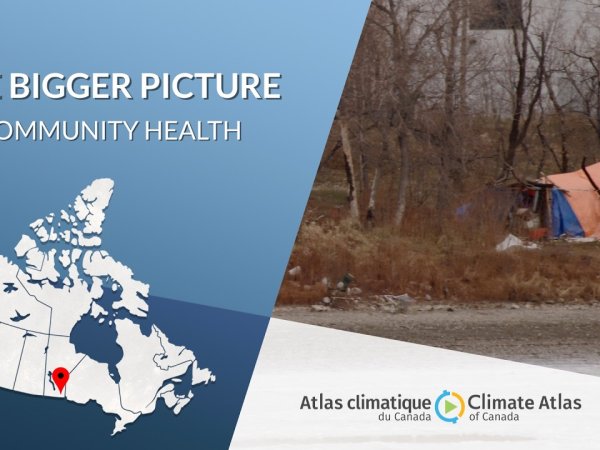
Across Canada, the changing climate is affecting the health of people. Good health and well-being are universal human rights. When everyone can attain their full potential for health and well-being it is called health equity. In Canada and across the globe, governments and organizations have been working hard to increase health equity. A key group working towards this goal is health care professionals who work closely with community members.
Brigitte DeCosse is a community health nurse in Winnipeg, Manitoba, and a member of the Canadian Association of Nurses for the Environment. She explains that, “at the heart of community health nursing, instead of just caring for people at the individual and family level, we are also looking at the community as a whole.” DeCosse is a strong advocate for making changes to increase health equity, “we want to understand our communities, what inequities they are experiencing, and how to address them.” She acknowledges that climate change is making this more challenging.
Read about
How to Host an Intergeneration Conversation Cafe
Toolkit Series
Because everyone is aging, climate change will affect us differently throughout our lives. Talking about these differences can help us build empathy for one another as we learn to better understand and take care of each other in a changing climate.
We have developed a flexible set of resources to support the planning, facilitation, and evaluation of intergenerational conversation cafés. These include guidance on creating respectful and inclusive spaces, practical tools such as agendas and note taking approaches, and adaptable conversation prompts to help guide discussions on climate change.

Read about
Aging in a Changing Climate
Canada is experiencing two major changes at the same time: an aging population and a changing climate. By 2040, approximately 10.7 million people will be 65 years and older, comprising a quarter of the national population.
Everybody ages, and everybody ages differently. Biological, physical, and socioeconomic factors all contribute to health and well-being as we grow older. This means while there is no typical blueprint for aging, we each experience the joys and challenges of aging in some form.
As climate change increases the severity and frequency of hazards such as heatwaves, wildfires, flooding, the impacts of these events can intersect with the challenges that come with aging, making them more difficult to manage.
How we live today and plan for the future will shape our health, independence, and longevity as we all grow older in a changing climate.
SPECIAL REPORT
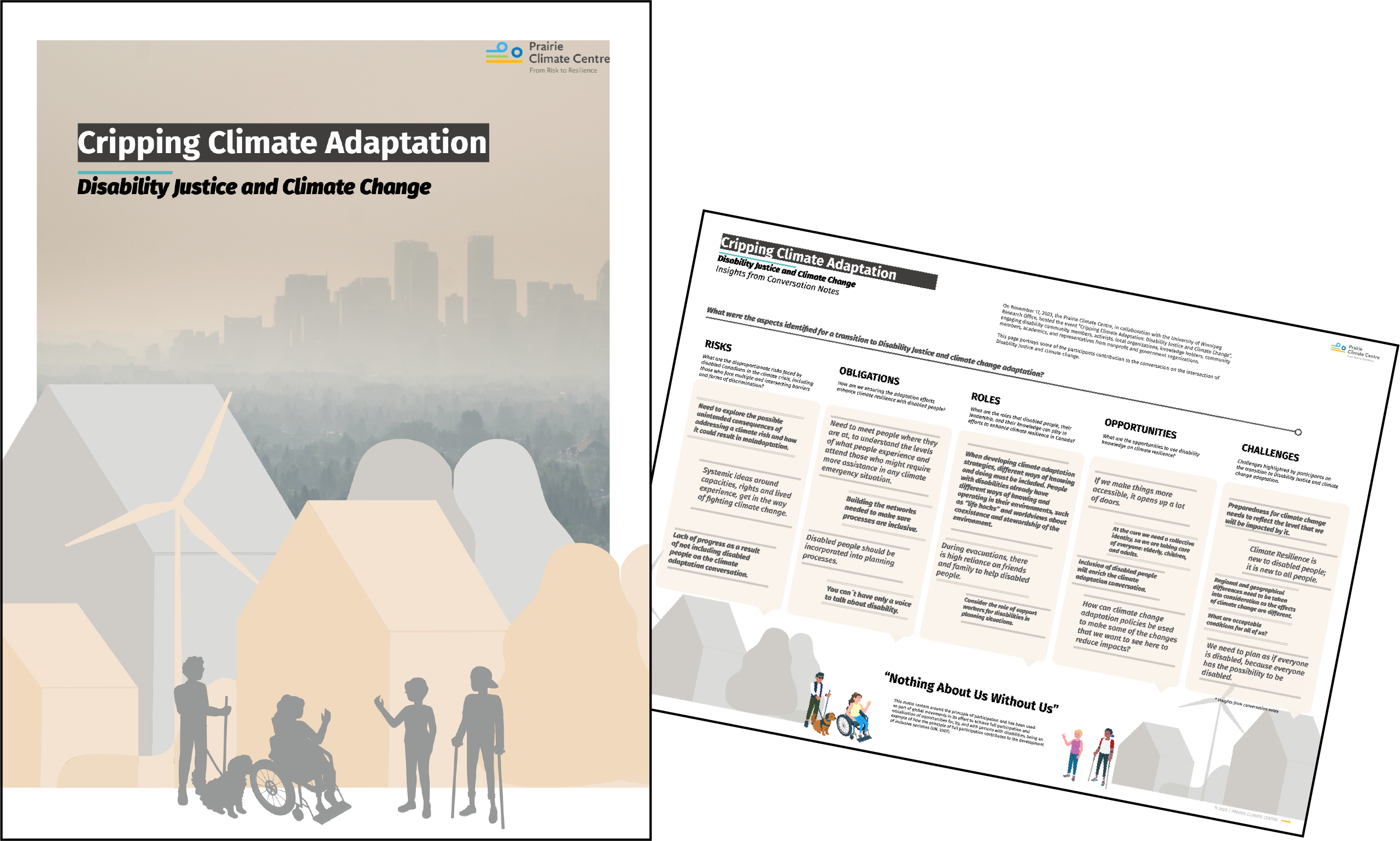
Cripping Climate Adaptation
Disability Justice and Climate Change
Because of multiple intersecting factors, people with disabilities are more vulnerable to the health effects of climate change and could be disproportionately impacted during extreme weather events. Inequalities exacerbated by climate change could be addressed and prevented, by ensuring a full and effective participation of disabled persons in climate action at all levels.
This report by the Prairie Climate Centre conveys the perspectives on Disability Justice at the intersection of climate change, as expressed by participants at the event: Cripping Climate Adaptation.
all content in


Take Action
Climate change touches all of our lives, one way or another. Because it affects all aspects of modern life, there are many kinds of meaningful choices we can make that will help.
Climate change solutions start close to home, with simple actions in our own homes and families, but also involve new ways of thinking, planning, and acting in workplaces, neighbourhoods, and communities across the country.
See our "Take Action" topic for ideas and examples of innovative climate action taking place all across Canada.
Sign up
Join our mailing list to stay informed about Climate Atlas updates, including new maps, research, and videos, as well as outreach and educational activities by the Prairie Climate Centre.
Help us create a dialogue across Canada: please subscribe.
The Climate Atlas of Canada is part of a national suite of climate data portals.

Stories and explanations about climate change, and local climate data that can be explored using maps and graphs.

High-resolution climate data to help decision makers build a more resilient Canada.

Advanced tools for academia, climate scenario developers, and other expert users.
This project was undertaken with the financial support of:






.png)

© 2026 Prairie Climate Centre